Assistive technologies (AT) are increasingly recognized as essential tools for improving quality of life, enhancing workforce participation, and promoting social inclusion. These technologies range from low-tech solutions like communication boards to high-tech devices, such as prosthetics, specialized computers, and adaptive software. They help people overcome challenges related to mobility, communication, vision, hearing, cognition, and daily self-care activities.
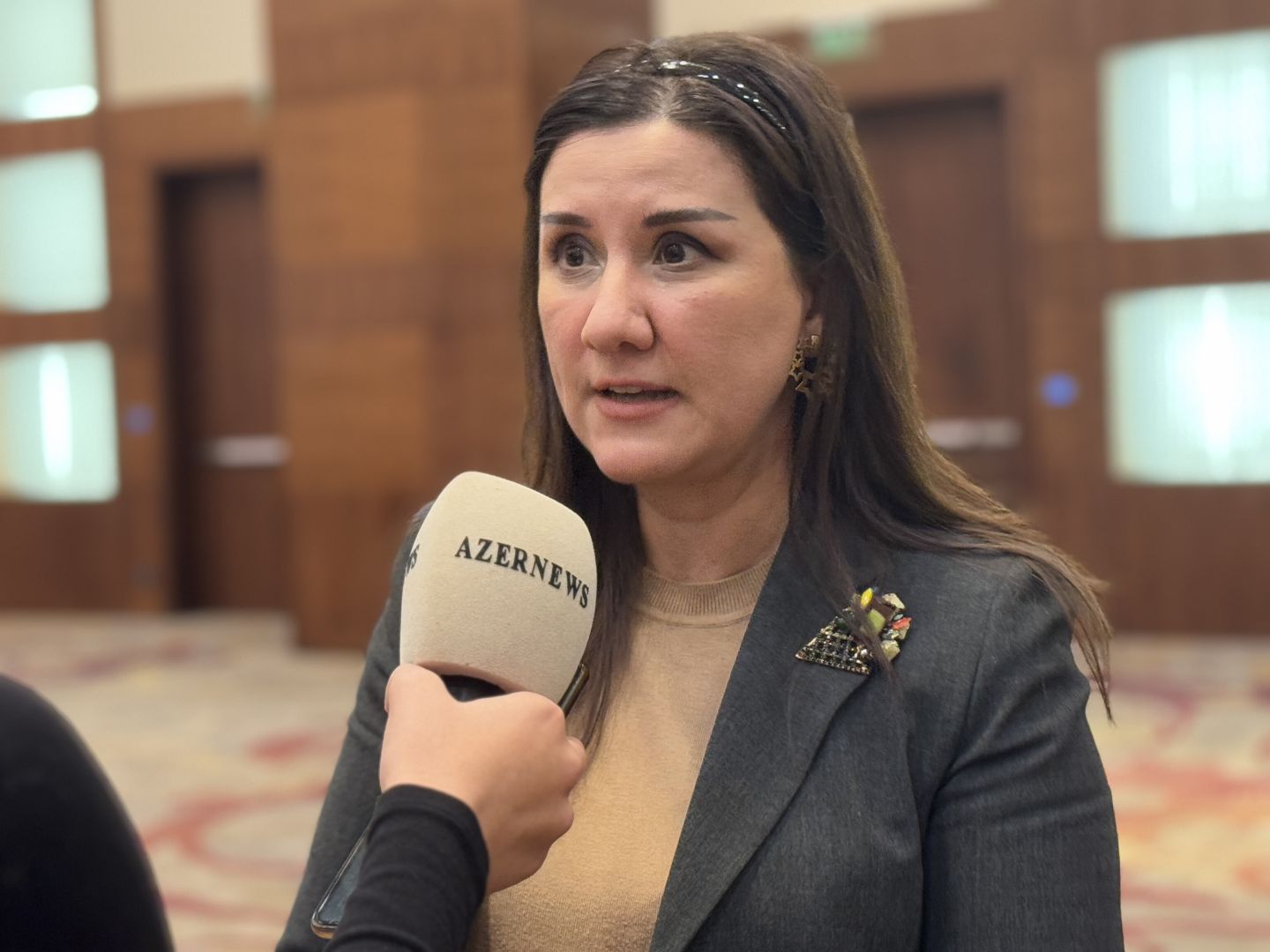
In an interview with Azernews, Turana Aliyeva, National Professional Officer for Disability Rehabilitation and the Assistive Technology Program at the World Health Organization, emphasized the central goal of these initiatives: “Our main purpose and goal is to make health services accessible for all, not only for people with disabilities, but for everyone who may need assistive technology. Currently, our program is focusing on strengthening access to assistive technology for all categories of people who might need it.”
Recent initiatives in Azerbaijan highlight how AT is being integrated into professional health and social care training. On 15–16 December, a two-day hybrid workshop was organized in collaboration with the Ministry of Health, the Ministry of Labour and Social Protection of the Population, and TABIB, with technical support from the WHO Regional Office for Europe Assistive Technology team and AT Scale. This workshop brought together stakeholders from ministries, universities, and educational institutions to discuss strategies for integrating AT into professional curricula.
Aliyeva noted the urgency of these efforts: “Why it's important for us? Because the need for assistive technology is growing. The population in need is increasing, and there may be a shortage of health workforce to meet these needs. Our intention is to prepare doctors and social care workers to serve people who need assistive technology.” The workshop also addressed available resources, barriers to integration, and potential solutions, resulting in a draft national action plan to implement AT education for healthcare and social care professionals.
The importance of building capacity in assistive technology extends beyond individual health outcomes. As the population ages and the prevalence of non-communicable diseases rises, the demand for assistive products such as glasses, hearing aids, and mobility aids increases. Improving the knowledge and skills of primary healthcare professionals ensures these products are integrated into routine health services, supporting equitable access for all. Aliyeva explained: “We conducted trainings on assistive products in Shamakhi and Barda using the Assistive Technology course on WHO’s Learning on TAP platform. It aims to strengthen human resource capacity by increasing knowledge and skills of primary healthcare professionals on assistive products, as well as developing skills in assessing the need for assistive products and appropriate referral.”
The integration of assistive technology also has significant implications for workforce development and economic participation. By enabling people with disabilities or functional limitations to engage in professional life, AT expands human capital and strengthens inclusive labor markets. This is particularly crucial for countries seeking to address both aging populations and the growing prevalence of health conditions that affect functional ability.
Aliyeva concluded with a message of optimism for future implementation: “We are very hopeful that we started talking about this, and I’m hopeful that we will start implementing the integration of assistive technology into the professional training of doctors and social care workers.”
Through coordinated efforts among governments, educational institutions, and international organizations like WHO, assistive technologies can be effectively mainstreamed into health and social systems. This approach not only improves individual autonomy but also contributes to societal productivity, inclusion, and the development of human capital.

