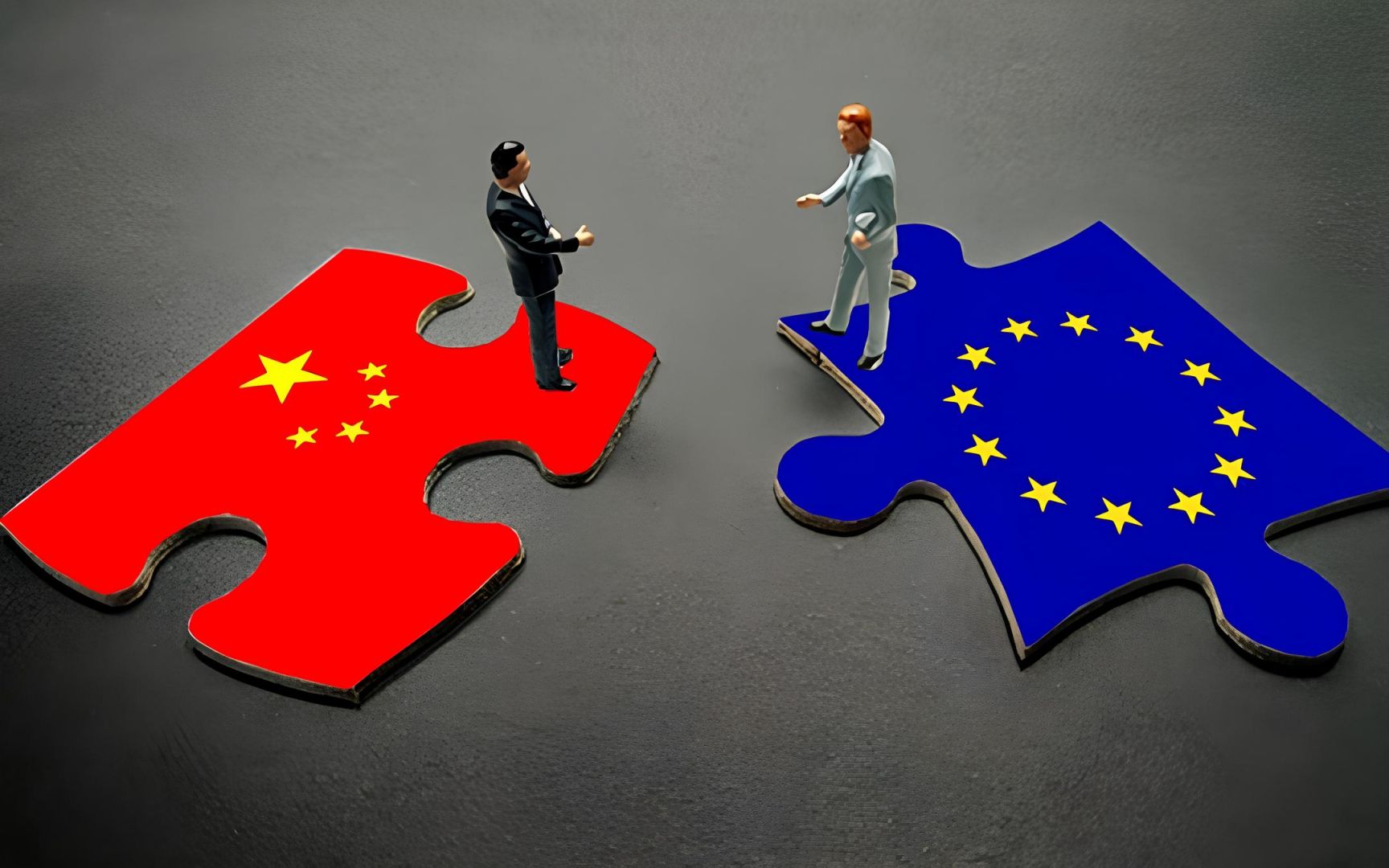
The world is witnessing an era of unprecedented geostrategic shifts as the established global order undergoes a profound transformation. The increasingly unpredictable nature of international relations and trade, fueled by aggressive tariffs, political realignments, and evolving economic partnerships, signals the end of a certain global stability. This new world order, marked by fierce economic competition, fragmented alliances, and fluctuating trade dynamics, is reshaping how countries interact with one another on the global stage.
In this context, nations are navigating a multipolar world where the traditional power structures led by the U.S. and Western Europe are no longer the only game in town. Geopolitical rifts, particularly in the economic realm, are emerging, and countries are beginning to realign based on shared interests in trade, security, and political influence. These shifting relationships are not only impacting traditional alliances but are also leading to the rise of new coalitions that will define the future of global trade, security, and diplomacy.
The U.S. and its role in the geostrategic shift
In recent years, the United States has increasingly used tariffs and sanctions as instruments of foreign policy to assert its dominance and protect its economic interests. U.S. President Donald Trump, for example, repeatedly emphasized the strategic role of tariffs in reshaping global trade dynamics. His administration used these measures to exert pressure on countries, force trade renegotiations, and protect domestic industries.
Trump’s comments on the UK-China relationship illustrate how economic coercion can be leveraged in the service of geopolitical competition. During a visit to the UK, Prime Minister Sir Keir Starmer discussed with Chinese leaders ways to deepen economic ties between the two nations, including agreements on visa-free travel, reduced whisky tariffs, and the £10.9 billion AstraZeneca investment in Chinese manufacturing. However, Trump warned that such agreements were “very dangerous,” especially given that the U.S. remains the UK’s largest trading partner.
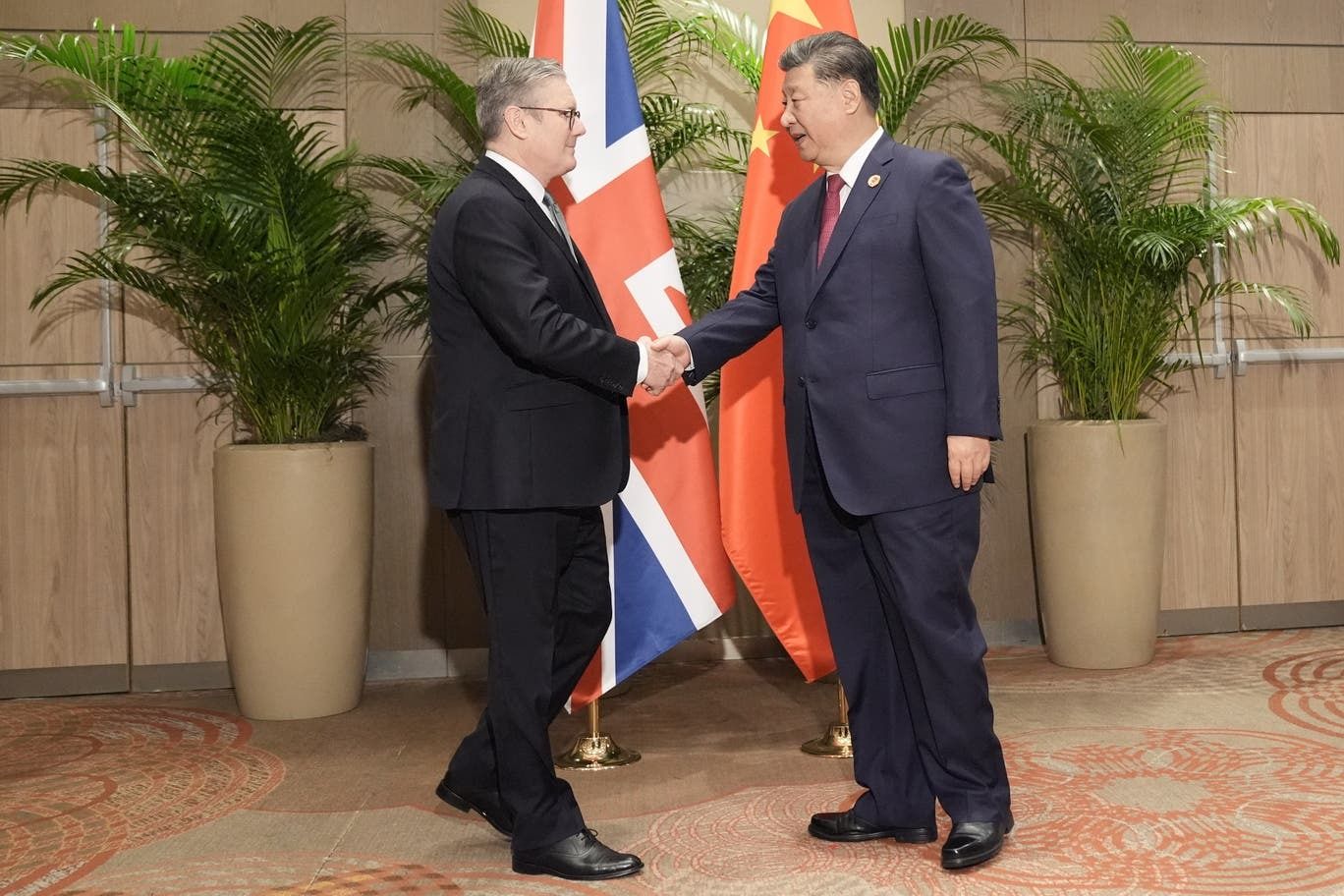
The U.S. is the UK’s largest trading partner, particularly in finance, insurance, and technology services. For Britain, the U.S. represents not just a vital trade relationship but also a geopolitical anchor. However, the UK’s increasing engagement with China reflects a growing need to hedge against uncertainty, particularly in the post-Brexit era, as Britain seeks to redefine its global role. Sir Keir emphasized that the UK has “a huge amount to offer” China, signaling that economic diplomacy will be key in shaping this relationship.
This deepening economic engagement comes at a time when many European countries are increasingly disillusioned with Washington’s approach to global trade and geopolitics. The EU-China relationship has evolved significantly, with growing trade surpluses and a focus on mutual benefits. Yet tensions persist, particularly over China's growing alliance with Russia, which complicates Europe's response to Beijing.
The UK-China relationship: A pragmatic pivot
The UK’s desire to enhance ties with China reflects a pragmatic response to the changing economic and geopolitical environment. While the U.S. has long been the UK’s dominant partner, China's growing economic influence and the shifting landscape of global trade have made Asia an increasingly appealing partner. The UK’s pivot to China is part of a broader global realignment, where nations are looking beyond their traditional partners to ensure economic resilience.
During the UK PM's visit, key agreements were signed, including initiatives aimed at improving trade efficiency and expanding bilateral cooperation on issues like organized crime and illegal immigration. Additionally, the partnership is expected to foster long-term investment opportunities, as evidenced by the AstraZeneca deal.
The EU-India free trade agreement: A new strategic alliance
The EU’s recent free trade agreement with India is another significant example of the shifting geopolitics. The deal, hailed as the “mother of all agreements,” is set to transform trade dynamics between two major regions: Europe and Asia. The free trade agreement will eliminate or drastically reduce tariffs on a range of industrial products such as iron, steel, plastics, chemicals, and pharmaceuticals, creating a massive new market for European goods.
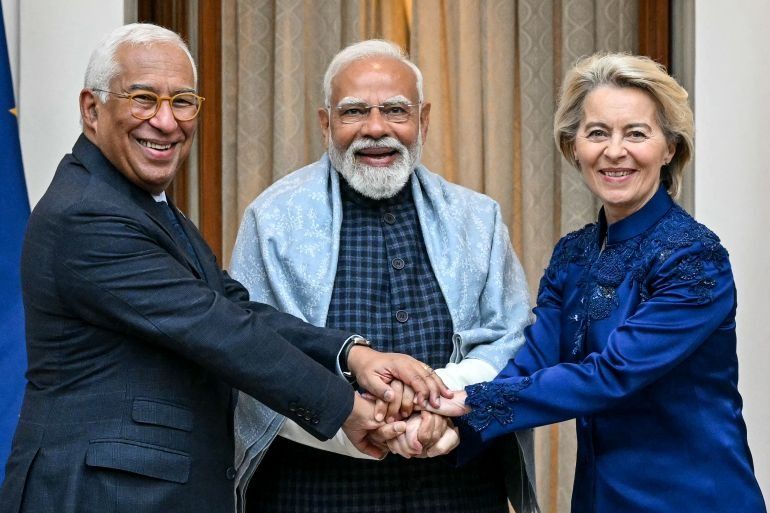
The EU-India deal is particularly significant in light of the growing trade disputes with the U.S. and the long-standing tensions over tariffs. India, which has long been a market closed off to many Western products, is now opening up to Europe in a way that dramatically reshapes the trade landscape. The agreement is expected to double EU exports to India by 2032, which would help European companies save an estimated €4 billion in tariffs. Moreover, India’s gradual tariff reductions on European products like wine, olive oil, and processed foods will open up new avenues for European exports.
These alignments with both China and India also signal a strategic pivot for Europe and the UK, aiming to reduce dependence on traditional Western markets like the U.S. and seek new economic partners in Asia. It is a direct response to both U.S. protectionism and the China-Russia axis, offering Europe a new set of partners for economic collaboration and global influence.
Could Asia become a new strategic partner for the EU?
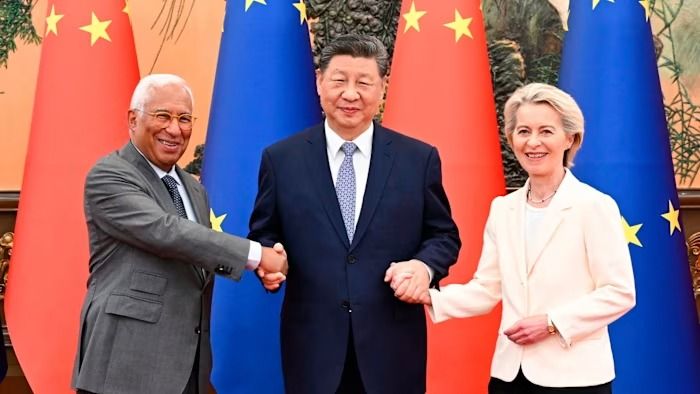
The EU’s relationship with China has reached an “inflection point”, as European Commission President Ursula von der Leyen described it. Despite economic cooperation, the EU faces significant imbalances in trade with China, notably a huge trade deficit that continues to challenge the bloc’s economic equilibrium. Furthermore, China’s growing ties with Russia have cast a shadow over EU-China relations, forcing Europe to balance economic interests with political concerns over China’s alignment with Moscow.
At the same time, China is an essential part of Europe’s supply chain, particularly for key manufacturing inputs, technology, and rare-earth materials. The EU must balance its geopolitical concerns with pragmatic economic cooperation, as seen during recent talks where von der Leyen called for finding “real solutions” to ensure a stable partnership.
As European countries navigate the evolving geopolitical landscape, a key question arises: Can Asia truly become a new strategic partner for the EU? The answer is complex and multifaceted, but several factors suggest that Asia is indeed becoming increasingly central to the EU’s geopolitical strategy.
First, there is the growing importance of China and India in the global economy. As China emerges as the world’s second-largest economy and India’s market continues to grow, both countries offer Europe new opportunities for trade, investment, and technology sharing. China’s Belt and Road Initiative (BRI) and its increasing engagement with European infrastructure projects provide a key avenue for economic cooperation. Similarly, India’s ambitious industrialization plans create lucrative prospects for European companies looking to expand their footprint in Asia.
However, political and economic risks remain. The EU-China relationship has been strained by issues of trade imbalances, human rights concerns, and Beijing’s growing ties with Russia. The EU has long struggled with how to balance economic engagement with China while addressing these complex geopolitical issues. The increasing presence of China in Europe, especially in Eastern Europe and critical infrastructure, raises concerns about national sovereignty and European cohesion.
Moreover, India offers a promising market for European products, but the EU-India trade deal still faces challenges in addressing agriculture and tariffs, particularly on sensitive European goods like beef, sugar, and poultry. As India looks to balance its economic growth with domestic protectionist policies, the EU must find a way to adapt its approach without alienating other strategic partners.
In a nutshell, Asia, particularly China and India, holds significant potential as a new strategic partner for the EU, but challenges remain in overcoming the political, economic, and security complexities that come with such partnerships. The EU’s relationship with Asia will undoubtedly evolve over the coming decades, driven by a combination of economic opportunities and geopolitical challenges.
Azerbaijan: Strategic engagement and regional connectivity
Azerbaijan actively manages its relations with the United States, Europe, and China. In the political arena, the Washington meeting between Azerbaijan and Armenia, attended by U.S. President Donald Trump and marked by the initialling of a peace agreement, exemplifies Azerbaijan’s diplomatic engagement. Economically, Azerbaijan is expanding its energy partnerships with Europe; since the end of last year, with Austria and Germany joining, it now supplies gas to 13 European countries. In parallel, a green energy corridor is being developed in collaboration with Georgia, Hungary, and Romania, leveraging the Black Sea for sustainable energy production.
Relations with China are also advancing significantly. Recently, Azerbaijani Foreign Minister Jeyhun Bayramov visited China at the invitation of Foreign Minister Wang Yi, a member of the Political Bureau of the Communist Party of China, further reinforcing bilateral ties. During President Ilham Aliyev’s state visit to China in April of last year, the two countries signed a Joint Statement establishing a comprehensive strategic partnership, marking the highest level of bilateral relations since diplomatic ties were first established in 1992. Key transport and infrastructure initiatives with China include the Middle Corridor and the Trans-Caspian International Transport Route, enhancing regional connectivity and positioning Azerbaijan as a strategic hub in Eurasian trade.
Viewed from this perspective, it becomes clear that the shifting relationships between the EU, China, India, the United States and the United Kingdom will shape much of the global economic and political landscape in the 21st century. For Europe, Asia’s rising powers represent both an opportunity and a challenge, requiring careful diplomacy, pragmatic trade agreements and a delicate balance between economic interests and geopolitical security.
Photo credit: Equilibrium Global

