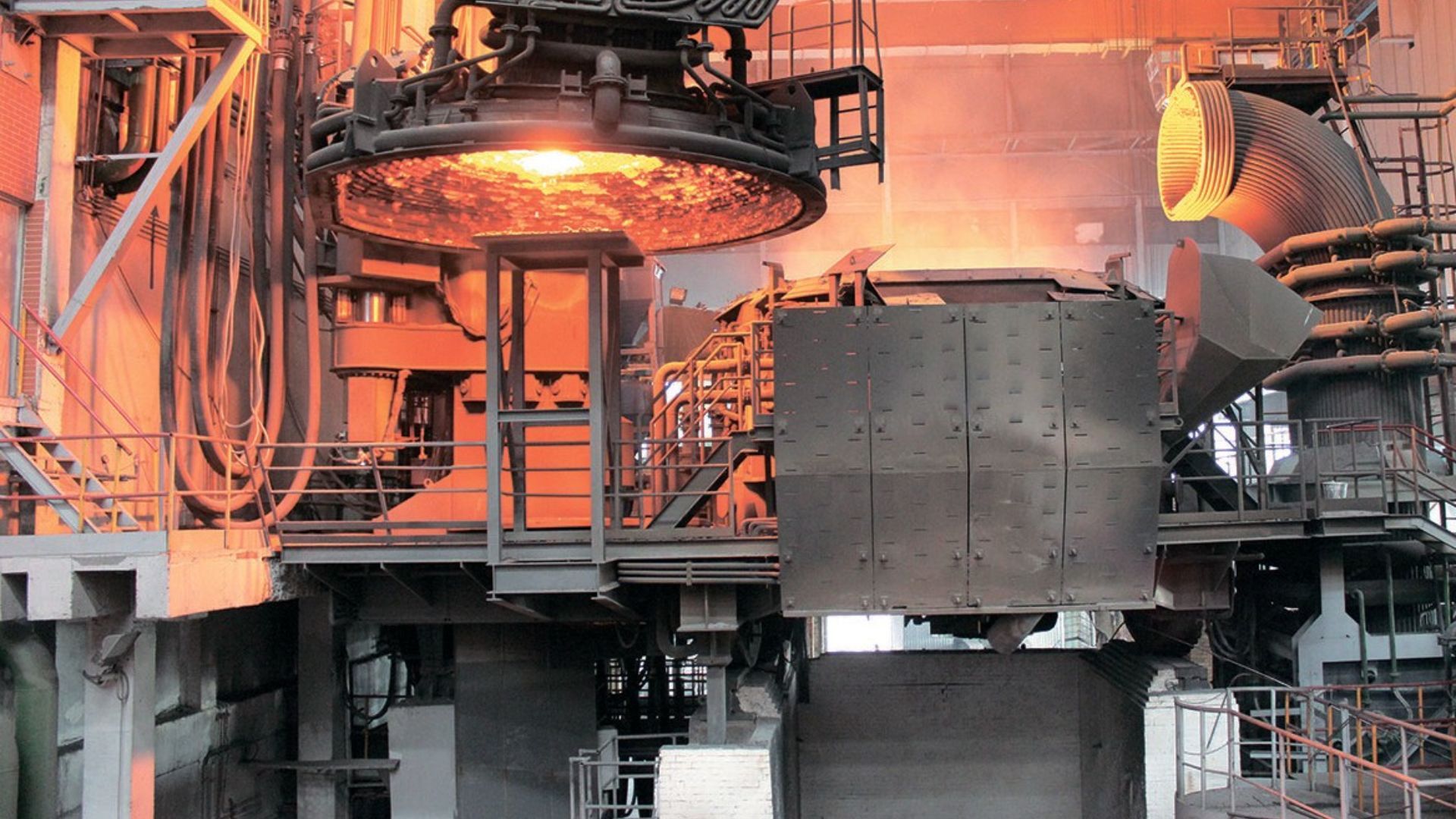
The recent presidential decree to establish the Western Industrial Park marks a decisive step in Azerbaijan’s industrial transformation. By focusing on the expansion of iron ore processing and deepening the metallurgical value chain, the country is signaling its intent to move beyond raw material exports and toward a more diversified, resilient economy. This initiative is not simply about building factories; it is about reshaping Azerbaijan’s economic identity in a global context where metals are becoming increasingly strategic.
For decades, Azerbaijan’s economic narrative has been dominated by oil and gas. While these resources have provided immense revenue, they have also created a dependency that leaves the economy vulnerable to global energy price fluctuations. The Western Industrial Park represents a conscious pivot: instead of exporting iron ore as a raw commodity, Azerbaijan aims to process it domestically, producing steel and other metallurgical products with higher added value. This shift is crucial because it transforms the country from a supplier of raw materials into a producer of industrial goods, capturing more of the value chain and strengthening its trade balance.
The decree highlights the modernization of facilities in Daşkəsən and Gədəbəy, as well as the exploitation of deposits in liberated territories. These measures carry significant social and political weight. By investing in regions that have long been underdeveloped or affected by conflict, Azerbaijan is not only stimulating local economies but also reinforcing national cohesion. Industrial projects in these areas will generate thousands of jobs, improve infrastructure, and create new opportunities for small and medium enterprises that support the mining and metallurgical sectors. In this sense, the Western Industrial Park is both an economic and a social project.
The timing of this initiative is particularly important. The global economy is undergoing an energy transition, with renewable technologies, electric vehicles, and digital infrastructure driving demand for metals. Iron and steel remain fundamental to construction, manufacturing, and energy systems. Azerbaijan’s geographic position along the Middle Corridor—linking Europe and Asia—gives it a logistical advantage in supplying these markets. By expanding its metallurgical capacity, Azerbaijan can position itself as a reliable supplier of processed metals to both regional and global partners, enhancing its geopolitical relevance.
The decree emphasizes the need for stronger links between extraction and processing, coordinated infrastructure decisions, and expanded public–private partnerships. This approach is pragmatic. The state provides strategic direction and initial investment, while private companies bring efficiency, innovation, and capital. Such collaboration is essential to ensure that the Western Industrial Park does not become a state‑driven project with limited competitiveness, but rather a dynamic industrial hub capable of attracting foreign investment and integrating into global supply chains.
No industrial transformation is without risks. The modernization of mining and metallurgical facilities requires substantial capital, and global metal prices are notoriously volatile. Environmental concerns also loom large: mining and metallurgy can have significant ecological impacts if not managed responsibly. Azerbaijan will need to adopt strict environmental standards and invest in cleaner technologies to ensure that industrial growth does not come at the expense of sustainability. Moreover, the success of the Western Industrial Park will depend on the country’s ability to train a skilled workforce capable of operating advanced metallurgical processes.
The broader significance of this initiative lies in its contribution to economic diversification. Azerbaijan has long recognized the need to reduce its dependence on hydrocarbons, but progress has been uneven. The Western Industrial Park offers a tangible pathway to diversification by building a new industrial pillar alongside energy. If successful, it will not only strengthen the economy but also enhance resilience against external shocks. In the long run, a diversified economy will provide Azerbaijan with greater stability and flexibility in navigating global uncertainties.
The establishment of the Western Industrial Park is more than an industrial policy; it is a strategic leap forward for Azerbaijan. By deepening the metallurgical value chain, investing in regional development, and aligning with global demand trends, the country is laying the foundation for a more balanced and sustainable economy. The challenges are real—financial, environmental, and logistical—but the potential rewards are substantial. If Azerbaijan can manage these complexities, the Western Industrial Park may well become a symbol of the nation’s transition from resource dependency to industrial maturity, securing its place in the global economic landscape.

