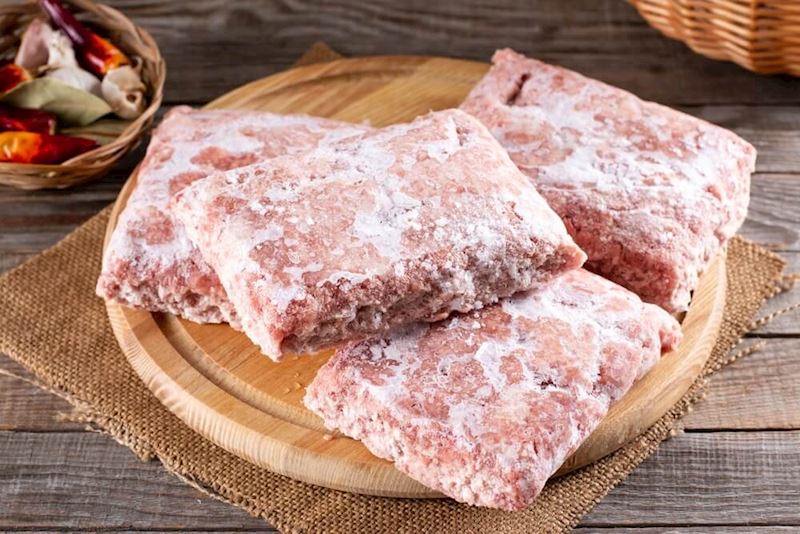
In the first 11 months of last year, 5,786 tons of frozen beef were imported from Ukraine to Azerbaijan.
According to Yeniavaz.com, Ukraine was also the main importer of beef to Azerbaijan.
It should be noted that Ukraine and Russia have been at war for four years. In this situation, the import of frozen meat from Ukraine is clearly not welcomed by the population. Questions arise about the quality of this meat and its safety for human health. Of particular interest is the impact of the freezing process on the nutritional value and safety of the meat.
Food expert Farid Safarov, who gave an interview to Yeniavaz.com, noted that the health hazards of frozen meat depend on several key factors:
"The health hazards of frozen meat depend on the conditions of production, freezing, storage, and transportation, as well as on the proper implementation of veterinary and sanitary controls." Meat prepared in accordance with international standards, quickly frozen, and imported into the country without breaking the cold chain generally poses no health risk. However, if temperature control is compromised during freezing or transportation, the risk of microbial growth may increase, and the safety of the meat may be compromised. Therefore, imported meat must undergo laboratory testing, and control mechanisms must be strengthened."
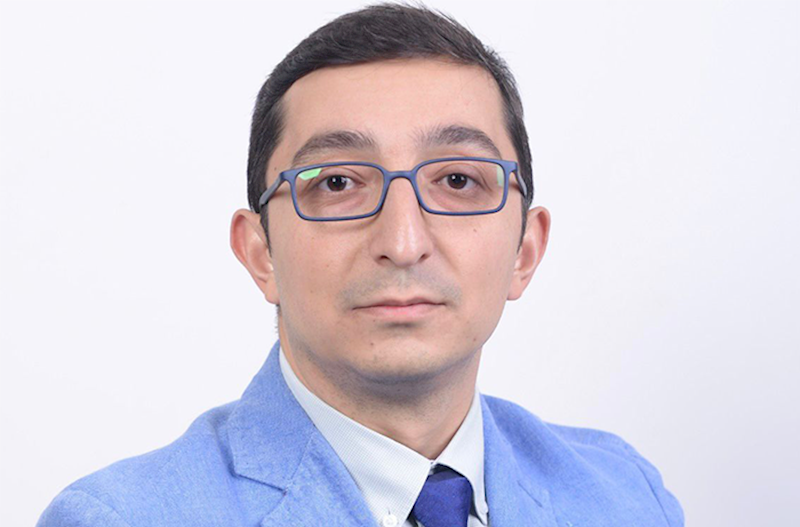
Farid Safarov
The expert noted that there is no significant difference between frozen and fresh meat in terms of nutritional value:
"Essential nutrients such as protein, fat, iron, and zinc are largely preserved. However, in meat that has been stored for a long time or has not been properly frozen, some water-soluble vitamins, especially B vitamins, may be partially reduced. Although fresh meat is considered to be of higher quality in terms of taste, texture, and cooking properties, this does not necessarily mean it is more nutritious."
According to Farid Safarov, the freezing process can also affect the technical quality of meat:
"Fast freezing results in the formation of small ice crystals in the muscle fibers, which causes less damage to the meat's structure. Slow freezing, on the other hand, results in the formation of large ice crystals, which can lead to loss of juiciness after defrosting, dryness, and changes in flavor. Furthermore, repeated freezing and thawing of meat significantly reduces its quality and increases safety risks."
Farida Asadzade

